The queries your competitors can't see
Long-tail keywords are where small sites win. What they are, how to find them without paying for a suite, and how to mine the question queries Google hands you for free.
What are long-tail keywords?
Long-tail keywords are longer, more specific search queries. Usually three or more words. Each one gets fewer searches on its own, but together they make up most of Google's traffic. "Keyword research" is a head term. "how to do keyword research for a local restaurant" is long-tail. Lower volume, much lower competition, clearer intent.
Long-tail vs short-tail: why the tail converts
A short-tail query is an audience. A long-tail query is a person with a problem. Someone searching "crm" is browsing. Someone searching "crm for solo real estate agents under $20" is buying. The tail trades volume for intent, and intent is what converts.
Long-tail keyword examples
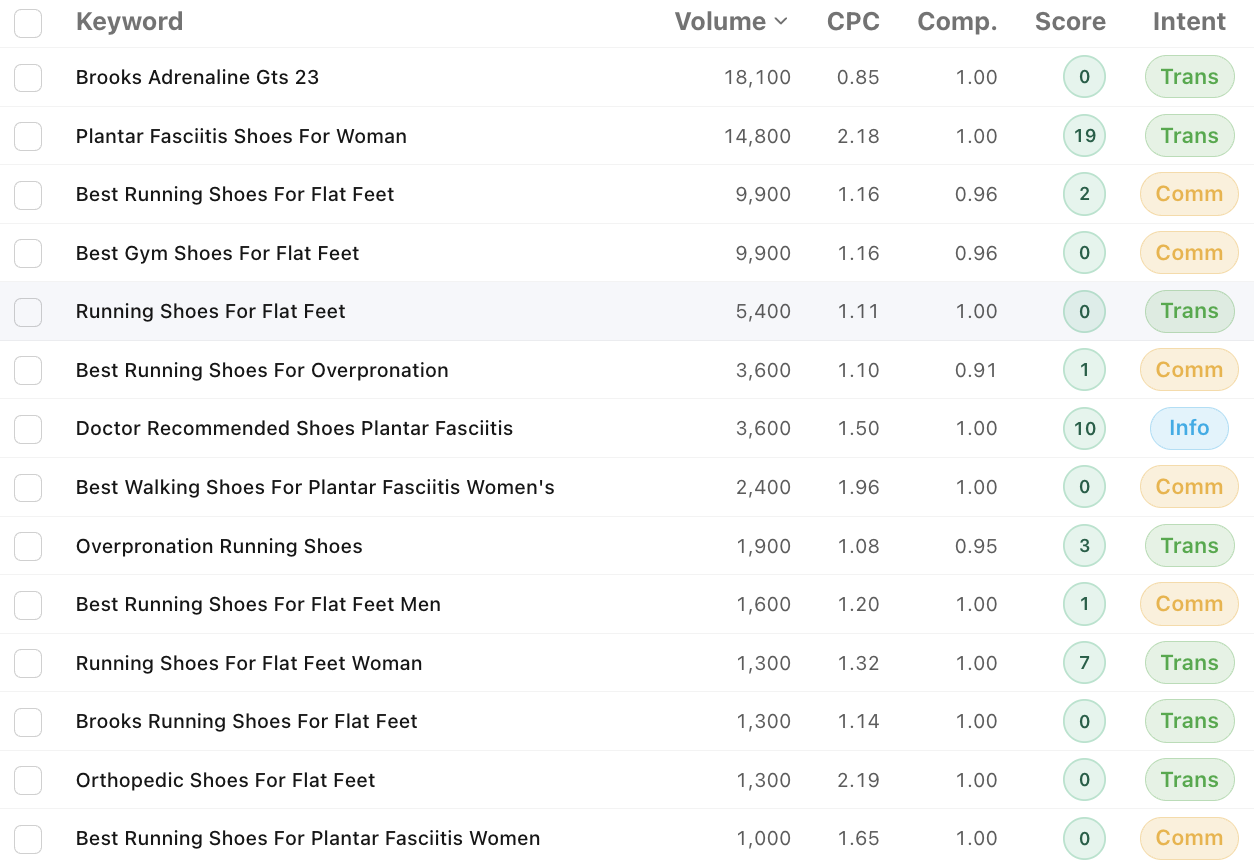
- Head: running shoes → Tail: best running shoes for flat feet and plantar fasciitis
- Head: keyword research → Tail: how to do keyword research without a paid tool
- Head: email marketing → Tail: email marketing laws for cold outreach in canada
How to find long-tail keywords (3 free methods)
- Mine People Also Ask and autocomplete fan-out. Type your head term, grab every PAA question, then re-search each question and grab again. Two levels deep gives you 30 to 50 real questions people ask.
- Pull your own Search Console queries. Your GSC data is a long-tail generator no tool can match. Filter queries with impressions but no clicks: those are tails you already half-rank for. The full strategy for working that data in bulk is programmatic discovery with Search Console.
- Expand seeds in Role SEO. Feed your seed list into keyword research and keep the specific, question-form results with clear intent regardless of volume. "0 volume" queries are measured, not dead.
Run the workflow with the Role SEO MCP:
Using the Role SEO MCP: research keywords for the seed "[your topic]",
then return only queries with 4+ words or question form (how/what/why).
Group them by intent and suggest one page per group.
Long-tail keyword FAQ
What are long-tail keywords in SEO?
Specific multi-word queries with lower individual volume but higher combined traffic and clearer intent than head terms. They're the quickest route for a newer site to rank, because competition tends to bunch up around head terms.
How do I use long-tail keywords in content?
One intent per page. Put the long-tail query in the H2 (or H1) verbatim where it fits, answer it in the first paragraph, then earn the depth below. Don't scatter twenty tails across one page. Cluster the related tails, then split by intent.
Is there a free long-tail keyword generator?
Google gives you two: autocomplete and People Also Ask. Your Search Console is the third and best, because it's your site's actual tail. Role SEO plugs into your Search Console and expands what you find there into full keyword lists. You can start for free. Paid plans start at £15/month.
Run this strategy in Role SEO
Run the MCP prompt in this guide with Role SEO. Role SEO is open source, free to try, and does not require a credit card.